Introduction
Woodworm infestations are one of the most common and destructive problems affecting wooden homes, furniture, and structural timber. Woodworms are actually the larvae of wood-boring beetles that feed on timber from the inside. Because they remain hidden within wood for long periods, infestations are often discovered only after serious damage has already occurred.
Early detection is extremely important because it helps prevent structural weakening, expensive repairs, and long-term timber deterioration. Modern timber preservation systems such as those offered by Shashel focus on identifying and treating infestations before major structural damage develops.visit for more details Shashel
Understanding Woodworm Infestation
Woodworms begin their lifecycle when adult beetles lay eggs in cracks or pores of wood. After hatching, larvae tunnel through timber while feeding on cellulose.
This process can continue for years because:
- Larvae remain hidden inside wood
- Damage spreads gradually
- External signs appear late
- Structural weakening develops silently
By the time visible signs appear, significant internal damage may already exist.
Why Early Detection Is Important
Prevents Serious Structural Damage
Woodworms weaken timber from the inside out. Over time, this can reduce the strength of:
- Roof beams
- Floor joists
- Wooden supports
- Wall structures
Early treatment stops infestations before load-bearing timber becomes unsafe.
Reduces Repair Costs
Minor infestations are much easier and cheaper to treat than advanced structural damage.
Early detection helps avoid:
- Full timber replacement
- Expensive structural reconstruction
- Large-scale renovation work
- Long-term maintenance costs
Protective treatment at an early stage is far more cost-effective.
Protects Furniture and Decorative Wood
Woodworms do not only attack structural timber. They also damage:
- Antique furniture
- Wooden flooring
- Decorative carvings
- Cabinets and doors
Early identification preserves both the function and appearance of valuable wooden items.
Stops Infestation From Spreading
Woodworms can spread to nearby wooden materials if left untreated.
Adult beetles emerging from wood may:
- Lay eggs in nearby timber
- Expand infestation to new rooms
- Damage multiple wooden structures
Early action limits the spread and prevents widespread infestation.
Common Early Signs of Woodworm Activity
Detecting woodworms early requires regular inspection of wooden structures.
Small Exit Holes
Tiny round holes in wood are one of the earliest visible signs.
These holes indicate:
- Adult beetles emerging from timber
- Active or recent infestation
- Internal larval activity
Fine Powder or Dust (Frass)
Woodworm larvae leave behind fine dust-like waste called frass.
Signs include:
- Powder beneath furniture
- Dust near wooden beams
- Fine material around holes
Fresh frass usually indicates active infestation.
Weak or Hollow Wood
Infested timber may sound hollow when tapped because larvae tunnel through internal fibers.
Other signs include:
- Soft wooden areas
- Cracking surfaces
- Reduced structural firmness
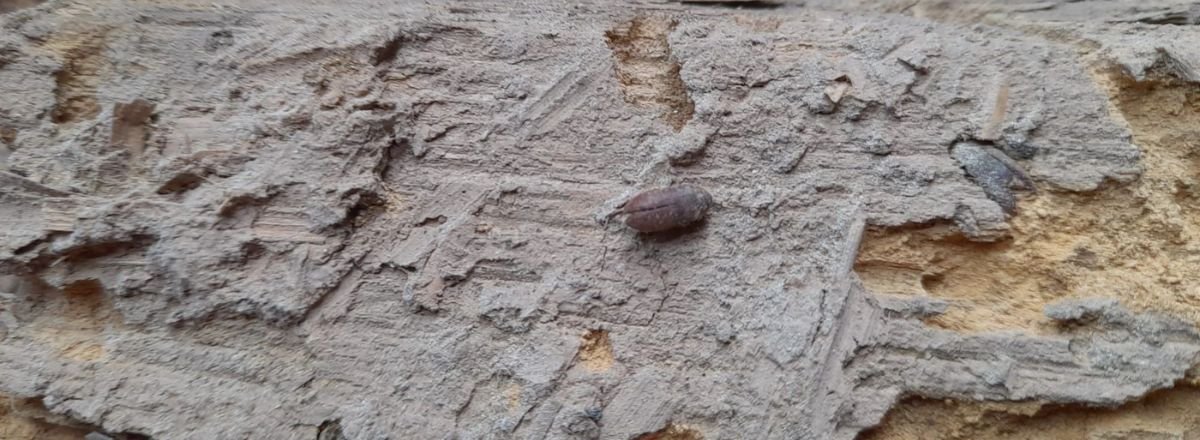
Presence of Beetles
Seeing small wood-boring beetles indoors can indicate nearby infestation.
This is especially common:
- Near windows
- Around wooden furniture
- In roof spaces or basements
Hidden Risks of Delayed Detection
Ignoring woodworm signs can lead to severe consequences over time.
Structural Instability
Advanced infestations may weaken beams and supports to dangerous levels.
Potential problems include:
- Sagging floors
- Roof instability
- Cracked structural timber
- Risk of collapse in extreme cases
Secondary Moisture and Fungal Problems
Damaged timber often absorbs moisture more easily, encouraging:
- Mold growth
- Fungal decay
- Rot development
This accelerates timber deterioration even further.
Reduced Property Value
Visible woodworm damage can reduce:
- Home value
- Buyer confidence
- Building safety ratings
Untreated infestations may become a major issue during property inspections.
Role of Professional Inspection
Because infestations are often hidden, professional inspection is important for accurate assessment.
Shashel provides advanced timber protection solutions that help:
- Detect hidden infestations
- Assess structural timber condition
- Eliminate larvae deep inside wood
- Prevent reinfestation
Professional evaluation ensures treatment targets the source of the problem.
Modern Treatment Approaches
Traditional surface sprays may not fully eliminate woodworms because larvae remain deep inside timber.
Modern treatment systems focus on:
- Internal penetration into wood
- Deep insect elimination
- Long-term structural protection
- Non-toxic preservation methods
This provides more effective and lasting results.
Prevention Strategies
Preventing infestation is easier than repairing damage.
Key prevention methods include:
- Regular timber inspections
- Maintaining low indoor humidity
- Ensuring proper ventilation
- Treating vulnerable wood early
- Monitoring old wooden structures carefully
Early maintenance significantly reduces infestation risks.
Importance for Historic and Antique Wood
Historic buildings and antique furniture are especially vulnerable because:
- Older timber is often untreated
- Damage accumulates over decades
- Replacement may be impossible or expensive
Early woodworm detection helps preserve:
- Historical integrity
- Architectural value
- Original craftsmanship
Conclusion
Early woodworm detection matters because it prevents hidden timber damage from becoming a major structural and financial problem. Small signs such as holes, dust, or weakened wood should never be ignored, as infestations can spread silently for years.
Through advanced timber protection and deep-treatment solutions, Shashel helps identify and eliminate woodworm infestations before serious deterioration occurs.
Prompt detection and treatment not only protect wooden structures and furniture but also extend timber lifespan, improve safety, and reduce long-term repair costs.